


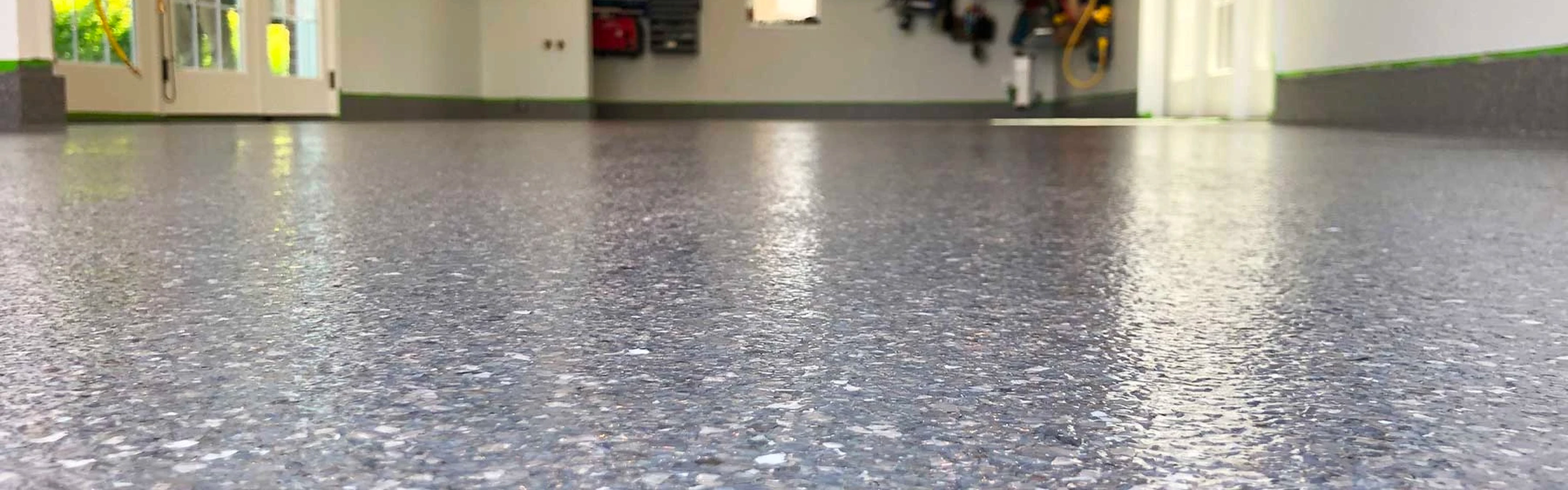
In the realm of flooring solutions, Polyaspartic Floor Coatings have revolutionized commercial and industrial flooring by combining rapid installation with exceptional durability. This guide explores why contractors, architects, and facility managers are choosing polyaspartic over traditional epoxy systems.
What Are Polyaspartic Floor Coatings?
Polyaspartic coatings use aliphatic polyurea chemistry to create fast-curing, UV-stable floor systems. Unlike epoxy, which requires days to cure, polyaspartic surfaces are ready for foot traffic in 2-3 hours and vehicular traffic in 24 hours.
Resinwerks has pioneered polyaspartic technology for nearly two decades with its Kinetic product line, delivering solutions for environments ranging from aerospace hangars to veterinary clinics.
Polyaspartic vs. Epoxy: Key Differences
Feature |
Polyaspartic |
Epoxy |
| Cure Time: | 2-3 hours | 24-72 hours |
| UV Stability: | Excellent (no yellowing) | Poor (yellows outdoors) |
| Temperature Range: | -40°F to 140°F | 50°F to 90°F |
| Lifespan: | 20+ years | 10-15 years |
| Chemical Resistance: | Superior | Good |
| VOC Content: | < 50g/L | Varies (often higher) |
Bottom Line: Polyaspartic costs 30-40% more upfront but delivers faster installation, longer lifespan, and lower maintenance costs—resulting in better ROI over 15-20 years.
Click here to learn more about the differences between epoxies, polyurea, and polyaspartic coatings.
Understanding Polyaspartic Coating Formulas
The essence of Polyaspartic coatings lies in the formulation – a delicate balance of components that deliver superior performance, durability, and ease of application. Exploring the different formulations within the Polyaspartic spectrum unveils the versatility and tailored solutions available for diverse applications.
72% Solids Polyaspartic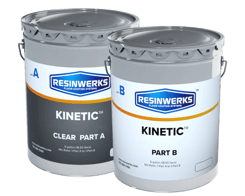
Best For: Decorative installations requiring extended working time
- 45-60 minute pot life
- Superior flow and leveling
- Ideal for complex flake systems
85% Solids Polyaspartic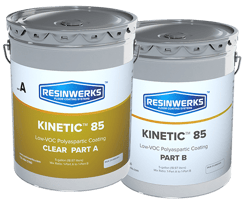
Best For: Heavy industrial and automotive applications
- Maximum chemical resistance
- Hot-tire pickup resistance
- Low VOC (<25 g/L)
92% High Solids Polyaspartic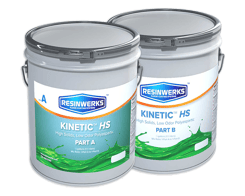
Best For: Occupied buildings and healthcare facilities
- Minimal odor during application
- Near-zero VOC (<10 g/L)
- Perfect for retail spaces during business hours
Polyaspartic Floor Coating Applications: Where They Excel
1. Automotive Dealerships & Service Centers
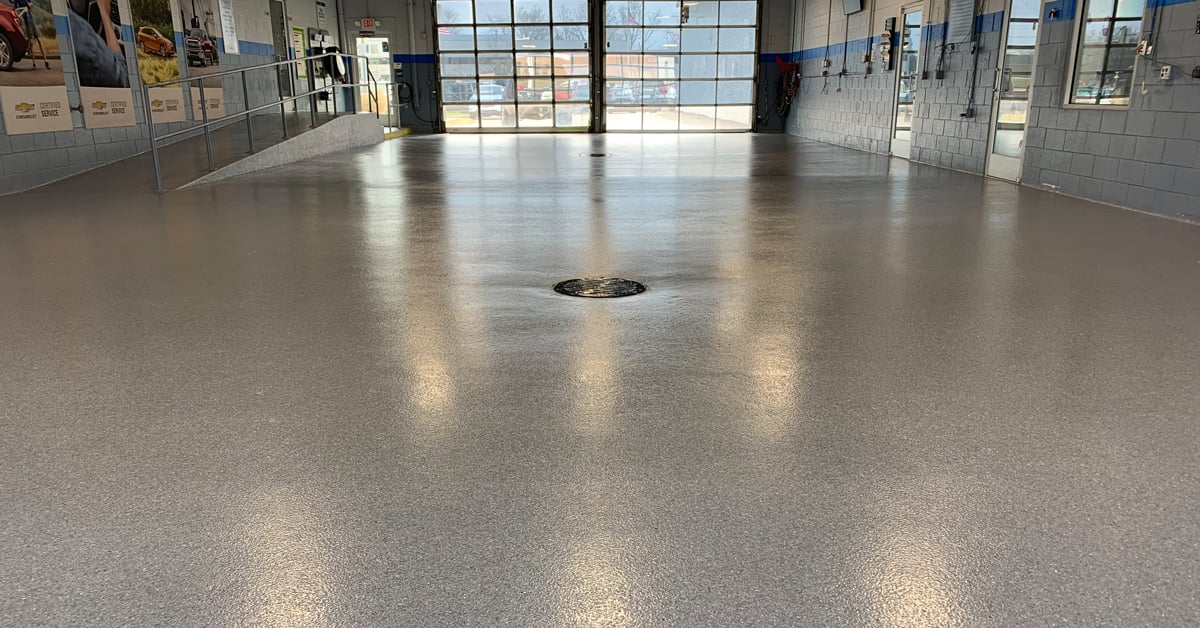
Fast turnaround (overnight installation) minimizes revenue loss while providing hot-tire resistance and chemical protection against oils and fluids.
2. Healthcare & Veterinary Facilities
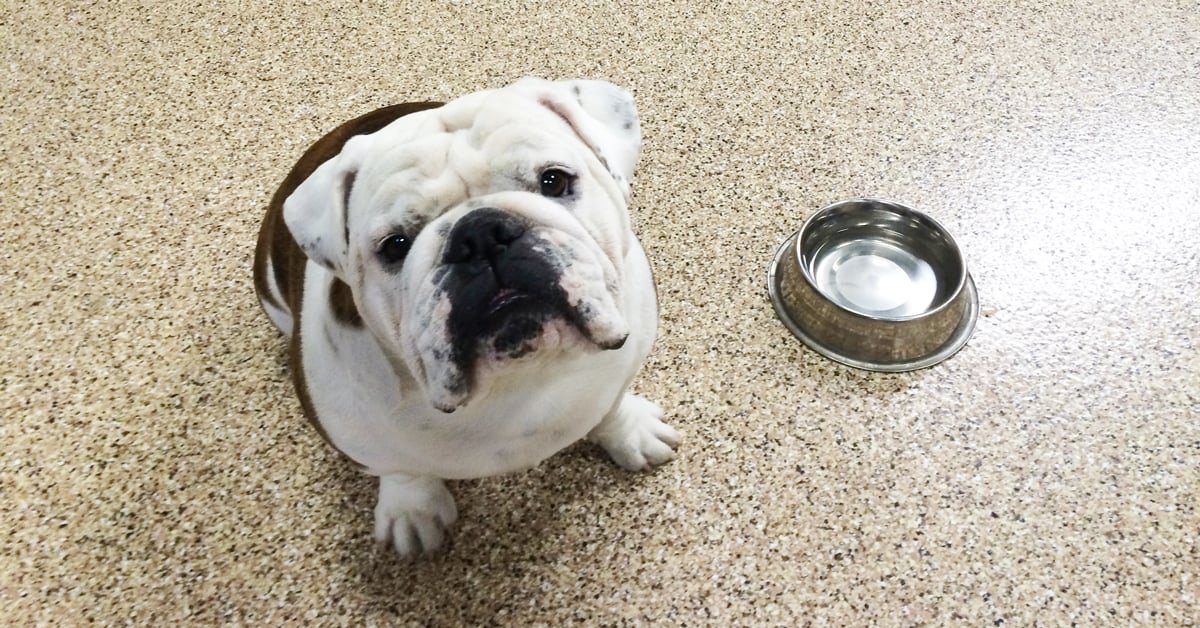
Low-odor formulations allow installation in occupied buildings. Seamless, antimicrobial surfaces meet strict hygiene requirements.
3. Manufacturing & Industrial Floors
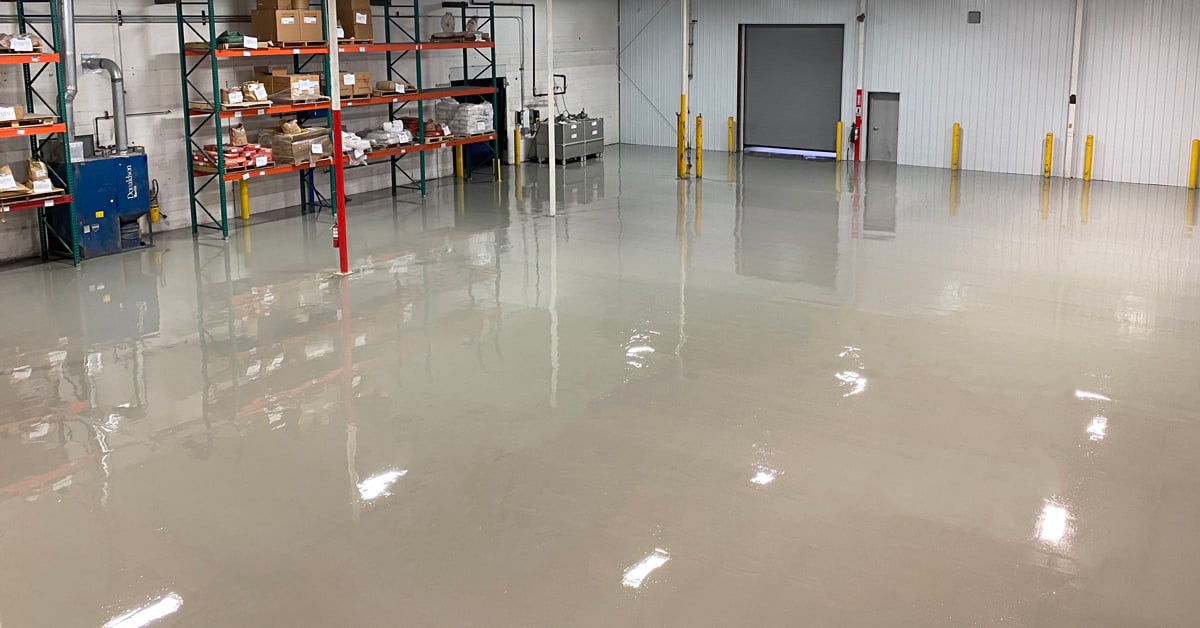
Superior chemical resistance withstands acids, solvents, and caustics. Fast cure times reduce production downtime to hours instead of days.
4. Aviation Hangars
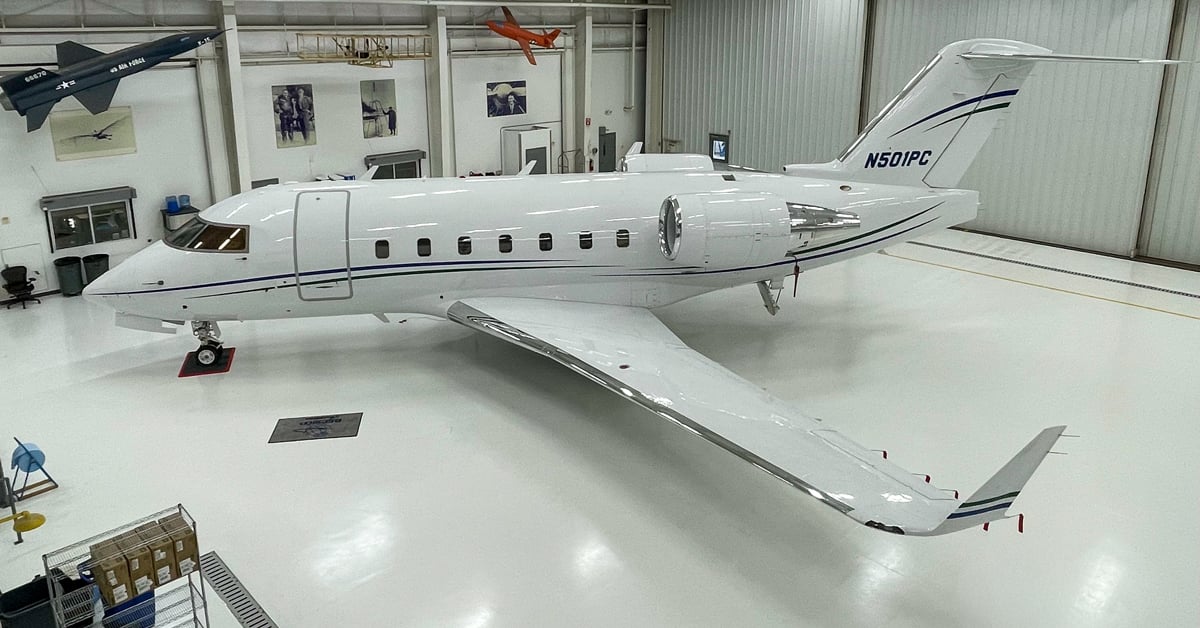
Jet fuel and de-icing fluid resistance combined with heavy load capacity make polyaspartic ideal for aircraft maintenance facilities.
5. Commercial & Residential Garages
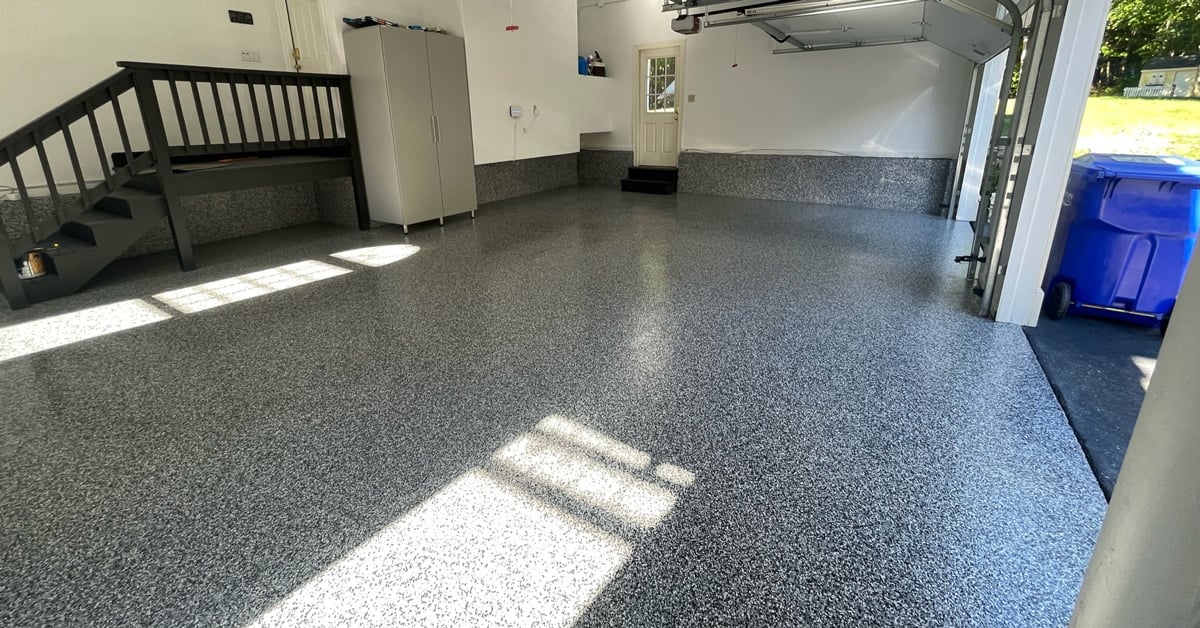
UV stability prevents yellowing in sunlit spaces. Customizable aesthetics include solid colors, decorative flakes, and metallic finishes.
These application scenarios demonstrate the versatility of Polyaspartic coatings, showcasing their efficacy in diverse environments. Whether it's the need for a swift return to service or the demand for durability in challenging settings, Polyaspartic coatings, including those within the Kinetic® line, prove to be reliable and efficient solutions.
Installation: Professional vs. DIY
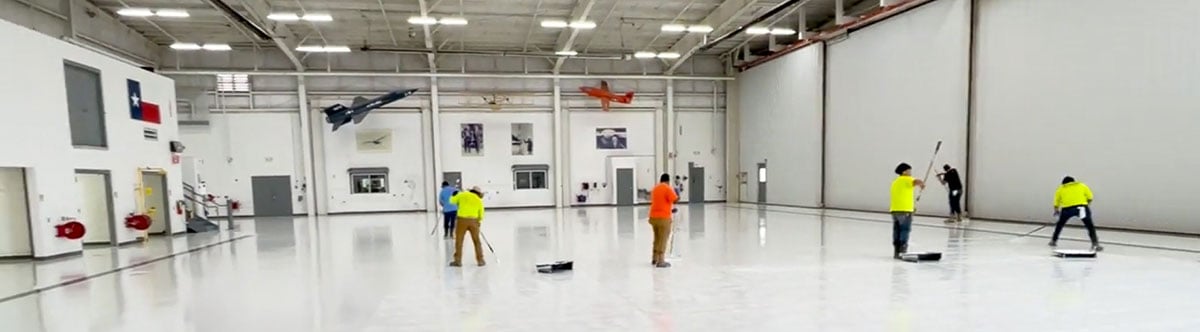
Polyaspartic is DIY-friendly for:
- Residential garages (<500 sq ft)
- Simple solid color applications
- Homeowners with basic tool skills
Hire professionals for:
- Commercial projects (1,000+ sq ft)
- Complex decorative finishes
- High-visibility showrooms
- Projects requiring warranties
Key Success Factors:
- Proper surface preparation (80% of success)
- Exact mixing ratios (use digital scale)
- Work within pot life (20-45 minutes)
- Maintain 60-80°F temperature
- Use quality tools (phenolic rollers, spiked shoes)
Long-Term Performance Benefits of Polyaspartic Coatings
1. UV Stability
Aliphatic polyurea chemistry resists sun exposure without yellowing — perfect for outdoor applications, parking structures, and sunlit garages.
2. Chemical Resistance
Withstands motor oil, gasoline, de-icing salts, hydraulic fluids, battery acid, and industrial cleaners. ASTM D1308 tested with 168-hour continuous exposure.
3. Cross-Link Bond
Creates a three-dimensional molecular network with 400+ PSI bond strength (concrete fails before coating).
4. Customization Options
- Clear topcoats showcase decorative base layers
- 200+ standard colors plus custom matching
- Decorative flake systems in multiple sizes
- Metallic finishes for premium aesthetics
- Anti-slip additives for safety compliance
Recap of Key Benefits of Polyaspartic Floor Coatings
- Rapid Return to Service: Polyaspartic coatings, exemplified by the Kinetic® line, offer swift curing times, minimizing downtime and allowing for a quick return to service.
- Long-Term Durability: The durability of Polyaspartic coatings is evident in their resistance to UV exposure, cross-link bond for superior adhesion, and chemical resistance, ensuring a lasting protective layer.
- Customization Options: The Kinetic® line provides flexibility with clear or pigmented options, allowing users to customize flooring systems based on their aesthetic preferences and project requirements.
- User-Friendly Experience: Engineered for ease of use, Polyaspartic coatings, including those from Resinwerks™, simplify the application process with carefully calibrated mixing ratios, reducing errors and ensuring consistency.
- Efficiency: The quick-curing properties of Polyaspartic coatings contribute to operational efficiency, making them a practical choice for projects where time is of the essence.
Frequently Asked Questions
Can polyaspartic be applied in cold weather?
Yes—down to -40°F with proper formulation (major advantage over epoxy's 50°F minimum).
What maintenance is required?
Minimal: sweep regularly, damp mop with pH-neutral cleaner, no waxing required. Lasts 20+ years.
Is it suitable for outdoor use?
Absolutely—UV stability prevents yellowing and degradation from sun exposure.
How does it handle chemicals?
Superior resistance to oils, solvents, acids, salts, and industrial chemicals. See chemical resistance matrix in technical data sheets.
What's the cost difference from epoxy?
30-40% higher initially, but lower lifecycle cost due to longer lifespan, reduced maintenance, and minimal downtime.
Conclusion
Polyaspartic floor coatings deliver what modern facilities demand: fast installation, long-term durability, and minimal maintenance. While epoxy remains viable for budget projects with flexible timelines, polyaspartic technology provides superior ROI for high-traffic commercial and industrial applications.
With Resinwerks' Kinetic® line, you're choosing nearly two decades of innovation, eco-friendly formulations, and nationwide support. Whether upgrading a residential garage or specifying coatings for a major facility, polyaspartic technology delivers measurable advantages.